
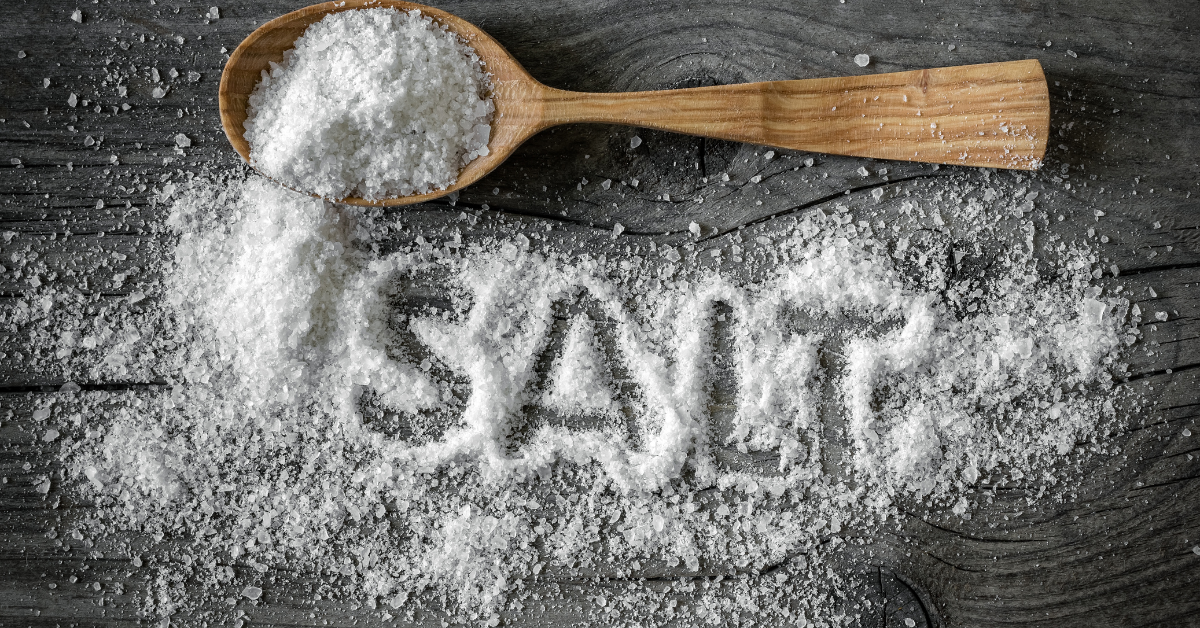
When it comes to healthy eating, reducing your sodium intake is a crucial step in maintaining overall well-being. High sodium (salt) consumption has been linked to various health issues, including high blood pressure and heart disease. But what to do about it when salty food is so tasty.
5 ways to reduce your salt intake
- Add herbs and spices to your cooking.
- Don’t add salt when you cook food.
- Keep the salt-shaker in the cupboard, so you have to make a decision to get it out.
- Try salt free versions of roasted peanuts and crisps/chips. They may surprise you.
- Read labels and look for low sodium.
- Realistic affordable tips
- Backed by scientific research about what works
- Non-judgemental approach
Which herbs and spices should I use to reduce my salt intake?
Here are 10 herbs and spices you can use:
1. Basil: This aromatic herb adds a sweet and slightly peppery flavour to your dishes. It’s a perfect addition to pasta sauces, salads, and even homemade pizza. Using fresh basil can really elevate your culinary creations.
2. Garlic: Garlic is a versatile spice known for its bold flavour. It’s an excellent choice for those looking to reduce salt since it can mimic the salty taste in certain dishes. Roasted or sautéed, garlic complements a wide range of recipes.
3. Rosemary: Rosemary adds a distinctive earthy and piney taste to your dishes. It’s particularly suitable for roasting meats and vegetables. A sprig of rosemary can infuse a hearty flavor without the need for excessive salt.
4. Cumin: Cumin offers a warm and nutty flavour, making it a staple in many spice blends. It’s commonly used in Mexican, Indian, and Middle Eastern cuisine to season meats, stews, and rice dishes.
5. Turmeric: Known for its vibrant yellow colour, turmeric boasts a slightly bitter and peppery flavour. It’s a key ingredient in curry and can be used to season soups, rice, and roasted vegetables.
6. Thyme: Thyme has a mild, earthy taste and is perfect for seasoning a variety of dishes, from poultry and fish to vegetables and sauces. It’s a wonderful salt substitute.
7. Paprika: Paprika comes in various types, including sweet, smoked, and hot. It adds a smoky, slightly sweet flavour to your meals. It’s an essential spice for enhancing the taste of meats, stews, and rice.
8. Oregano: Oregano provides a zesty and slightly peppery flavour. It’s a must-have for Italian and Mediterranean dishes like pasta, pizza, and grilled vegetables.
9. Coriander: Coriander offers a citrusy and mildly sweet flavour. It’s a great spice for adding depth to curries, salsas, and grain-based dishes.
10. Dill: Dill is an aromatic herb with a fresh, slightly anise-like flavour. It’s a wonderful addition to salads, yogurt-based sauces, and fish dishes.
Using combinations of herbs and spices to reduce your sodium intake
⭐⭐⭐⭐⭐
“It gives hope and well-researched examples that show it’s never too late to make changes, and that even small ones can make a big difference to quality of life as we age. I was totally inspired by it”

Salt and older people
You can make these yourself or buy a mixture. Researcher Carolyn Ross gave white sauce to 39 research participants who were over 60. The study participants were asked to compare three different formulations of the sauce at five different salt concentrations.
One of the formulations had no added herbs, the second had just herbs, and the third had both herbs and chipotle seasoning. Their results showed the formulation with both herbs and chipotle seasoning made it difficult for the seniors to determine the amount of salt being used while the formulation with exclusively herbs did not.
This research suggests it may be particularly important to add more spices to food as you get older. Even if you’ve never liked spicy food, it may be now you will enjoy it, because your sense of taste may be less strong.
Reducing your sodium intake doesn’t have to mean compromising on flavour. Adding herbs and spices into your cooking, could make all the difference. Experiment with these flavour enhancers and discover which ones work for you.
Your journey to lower sodium and healthier eating starts with the contents of your spice rack!
Try adding more potassium-rich foods
Research from the University of Waterloo in Canada has shown that adding more potassium-rich foods to your diet, such as bananas or broccoli, might have a greater positive impact on your blood pressure than just cutting sodium.
Potassium and sodium are both electrolytes – substances that help the body send electrical signals to contract muscles, affect the amount of water in your body and perform other essential functions.
Early humans ate lots of fruits and vegetables, and as a result, our body’s regulatory systems may have evolved to work best with a high potassium, low sodium diet.
-
Will flavonoids make a difference to my health?
Discover the delicious secret to a longer life! New research reveals that tea, berries, dark chocolate, and apples could help reduce the risk of chronic diseases and boost longevity. Find out how flavonoids can transform your health—and why variety matters…
-

Unlock Deep, Restful Sleep Naturally with These 9 Essential Oils
Essential oils can help you sleep better, whether you want to calm your mind, be uplifted or soothed, there is an essential oil for you.
-
The truth about willpower and healthy eating
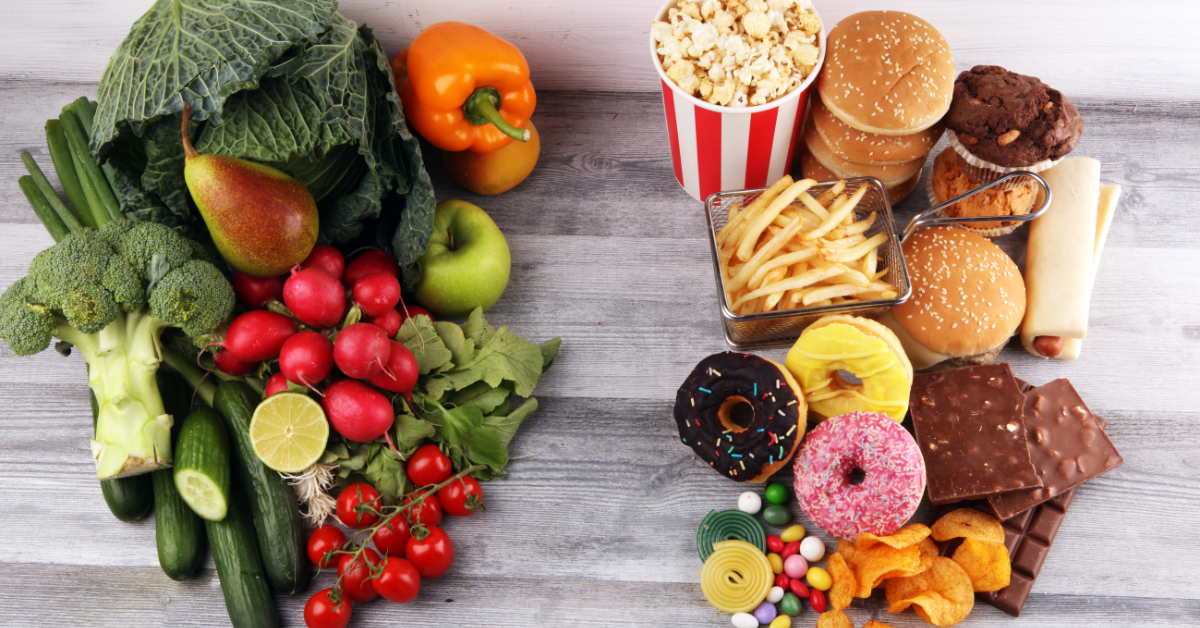
When you fail to eat healthily, you probably blame your lack of willpower. But is more willpowerwhat you really need?
My Books
Small Shifts, Big Impact –
Backed by Science
Simple and Affordable Strategies for a Healthier, Happier You

Unlocking the Secrets to Longevity & Vitality
How To Lose Weight Naturally And Permanently Without Stress

Live Well, Sleep Well, Stop Hot Flashes And Lose Weight